


One of the first questions every Gold Coast investor asks about Dubai property is whether foreign ownership is actually real.
Can you truly own a property outright in Dubai as an Australian? What happens to that ownership decades from now? And how does the legal protection compare to what you are used to in Queensland?
Dubai freehold properties for foreigners are a well-established, government-regulated ownership category that gives foreign nationals full, permanent legal title to property in designated zones. This guide explains exactly how it works, which zones qualify, and what protections Gold Coast investors can rely on.
What Does Freehold Property Ownership Mean in Dubai?
Freehold ownership means you hold full legal title to the property and the land it sits on, indefinitely. There is no expiry date, no lease countdown, and no requirement to renew your ownership rights.
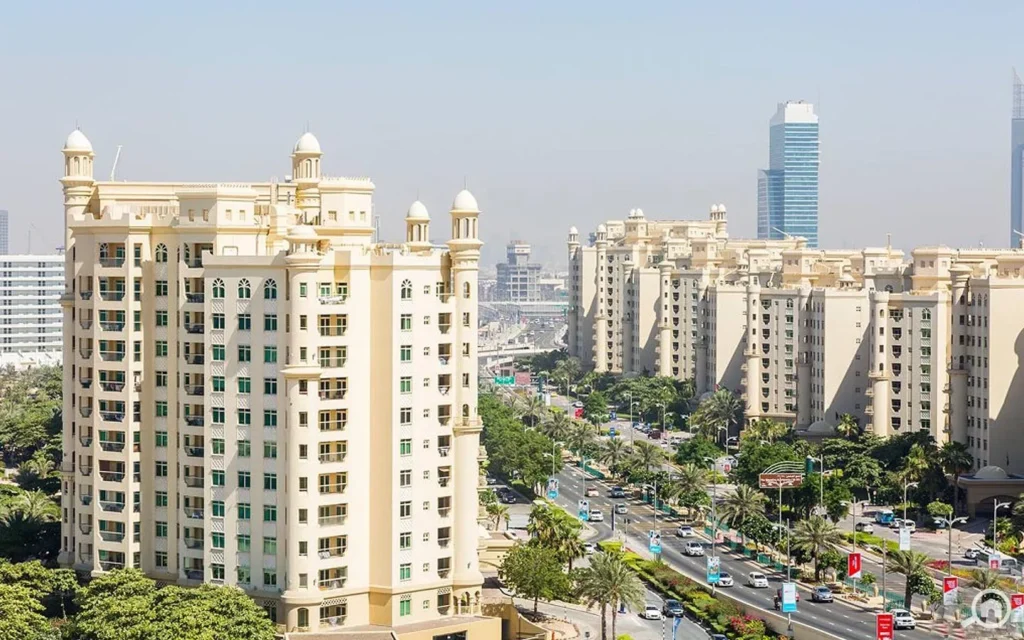
This is the same ownership model most Gold Coast investors are familiar with from Australian residential property. You own it outright, and it remains yours until you choose to sell, gift, or transfer it.
Dubai freehold properties for foreigners sit within this same framework. Once your purchase is registered with the Dubai Land Department, a Title Deed is issued in your name. That document is your permanent legal proof of ownership, recognized under UAE law.
How Is Freehold Different from Leasehold?
Dubai also has leasehold property, where buyers purchase the right to use a property for a fixed period, typically 99 years. At the end of the lease, ownership reverts to the landowner.
For investment purposes, freehold is almost always the preferred structure. It offers greater security, stronger resale value, and cleaner estate planning. All projects showcased at the Dubai Property Expo Gold Coast 2026 are freehold titles in designated foreign ownership zones.
When Did Dubai Open Freehold Ownership to Foreigners?
Dubai introduced freehold property ownership for non-UAE nationals in 2002 under Law No. 7. This was a deliberate policy decision to attract global investment capital and diversify the UAE economy.
The law was refined further in 2006 and has been strengthened several times since. Today, the legal framework is mature, government-backed, and transparent.
For Gold Coast investors considering Dubai freehold properties for foreigners, this 20-plus-year track record matters. The ownership model has been tested through multiple global economic cycles, including the 2008 financial crisis and the 2020 pandemic, and has remained legally intact throughout.
What Government Body Regulates This?
Two key bodies regulate foreign property ownership in Dubai.
The Dubai Land Department (DLD) oversees all property registrations, title deeds, and transaction records. Every legitimate property purchase is logged in the DLD’s registry and verifiable online at dubailand.gov.ae.
The Real Estate Regulatory Agency (RERA) governs developer conduct, project registration, and escrow account requirements. Developers must hold buyer funds in RERA-monitored escrow accounts, preventing misuse of construction payments.
These two regulators together provide Gold Coast investors with a level of institutional protection that rivals, and in some respects exceeds, the oversight Australian buyers receive domestically.
Which Zones Allow Dubai Freehold Properties for Foreigners?
Foreign nationals can purchase Dubai freehold properties for foreigners in designated freehold zones only. Outside these zones, ownership is restricted to UAE and GCC nationals.
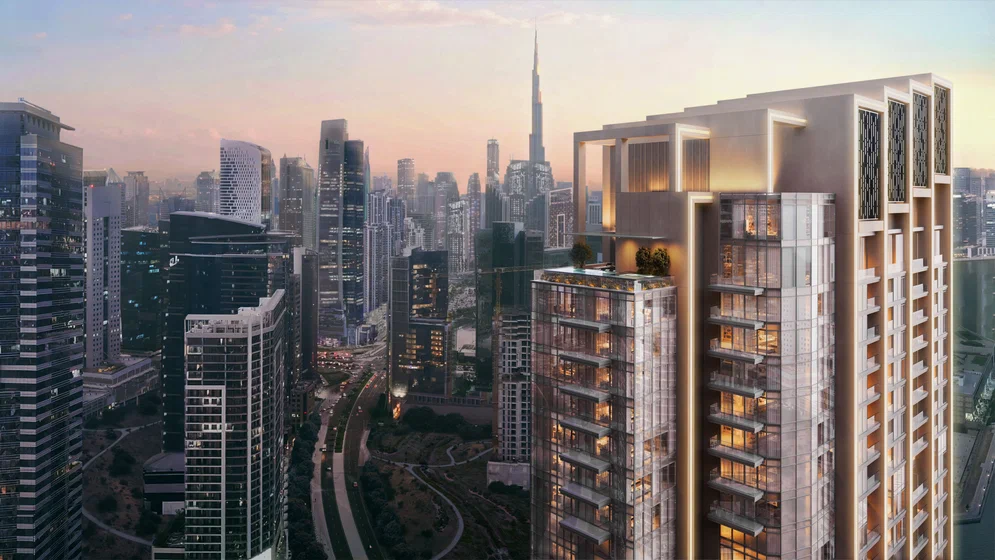
The good news is that Dubai’s most desirable investment precincts are all freehold zones. Here is a breakdown of the key areas and what each offers investors.
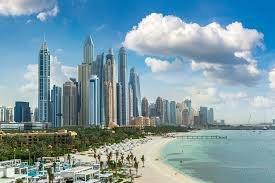
Dubai Marina
One of Dubai’s most established waterfront precincts, Dubai Marina offers high-density apartment living with strong rental demand from professionals and expatriates. Gross rental yields in this zone consistently sit between 7% and 9%. It is a well-understood, liquid market with strong resale depth.
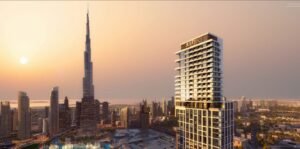
Downtown Dubai
Home to the Burj Khalifa and Dubai Mall, Downtown Dubai attracts premium tenants and commands some of the highest rental rates in the city. Capital growth here has been sustained over the past decade, making it a strong long-term hold for investors prioritising appreciation.
Palm Jumeirah
Dubai’s iconic palm-shaped island is a global luxury brand in its own right. Properties here attract high-net-worth tenants, including short-term holiday renters at premium rates. Entry prices are higher, but yields and capital growth have remained strong.
Jumeirah Beach Residence
Known as JBR, this beachfront precinct is extremely popular with short-term rental operators. The combination of beach access, dining, and retail makes it one of Dubai’s top Airbnb-style rental zones, delivering strong gross yields for investors.
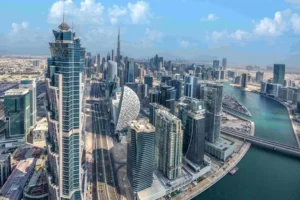
Business Bay
Adjacent to Downtown Dubai, Business Bay has matured significantly over the past five years. It now offers a mix of residential and serviced apartment stock with solid yields and strong professional tenant demand.
Dubai South
This is Dubai’s fastest-growing emerging precinct, anchored by the Al Maktoum International Airport expansion and the upcoming Dubai World Expo 2031 legacy infrastructure. Entry prices here are lower, making it attractive for investors seeking maximum capital growth over a five to ten-year horizon.
Jumeirah Village Circle
Known as JVC, this precinct consistently delivers some of Dubai’s highest gross yields, often reaching 9% to 12% for well-managed apartment stock. Entry prices remain accessible, and the tenant base is broad and stable.
What Legal Protections Do Foreign Owners Have in Dubai?
This is the question that deserves a thorough answer, because legal security is the foundation of any investment decision.
Title Deed Security
Your Title Deed is registered in the DLD’s central registry. It cannot be altered, cancelled, or disputed without a formal legal process. This registry is government-maintained and publicly verifiable.
Escrow Protection During Construction
For off-plan purchases, RERA requires all developer payment receipts to be held in a government-supervised escrow account. Funds can only be released to the developer at specified construction milestones. If a project is cancelled, buyers are entitled to full refunds from the escrow account.
This protection was introduced precisely because of issues that arose in the early 2000s property boom. It is now strictly enforced and gives Gold Coast investors buying off-plan significant protection during the construction period.
Inheritance and Estate Planning
Dubai freehold properties for foreigners can be inherited by designated beneficiaries. UAE law allows foreign property owners to register a will through the DIFC Wills Service Centre, which ensures your Dubai property passes to your chosen heirs under your home country’s legal framework rather than UAE inheritance law.
For Gold Coast investors, this is an important estate planning step that the Bright Realty International team can guide you through.
No Forced Sales or Compulsory Acquisition
Dubai has no compulsory acquisition framework equivalent to Australia’s resumption laws. Foreign property owners cannot have their freehold property seized by the government without due legal process and full market compensation.
Why This Matters Specifically for Gold Coast Investors
Gold Coast investors are accustomed to strong property rights. Queensland’s Torrens title system, PEXA conveyancing, and the Queensland Building and Construction Commission all provide familiar legal guardrails.
Dubai’s system is different in structure but comparable in substance. The DLD title registry, RERA escrow protections, and the mature legal framework for Dubai freehold properties for foreigners give Australian buyers genuine institutional backing for their investment.
The key difference is that Dubai offers these protections alongside zero property tax, zero capital gains tax locally, rental yields roughly double the Gold Coast average, and flexible payment plans that require far less upfront capital.
Frequently Asked Questions
Can foreigners own land in Dubai, or just the building?
In freehold zones, foreign nationals own both the property and the land it sits on. This is true freehold ownership, not a strata-style building-only title. For apartments in multi-unit buildings, ownership includes the unit plus a proportional share of common areas and land.
Can I sell my Dubai freehold property at any time?
Yes. Freehold property can be sold at any time to any eligible buyer, including other foreign nationals. There are no minimum holding periods and no government restrictions on resale. The DLD charges a 4% transfer fee on the sale, payable by the buyer.
What happens to my Dubai property if I pass away?
Your Dubai freehold property can be passed to designated heirs. Registering a will with the DIFC Wills Service Centre ensures your property follows your instructions rather than defaulting to UAE inheritance law. This is strongly recommended for all foreign property owners in Dubai.
Are there annual property taxes or holding costs in Dubai?
Dubai has no annual property tax and no land tax equivalent. Owners pay service charges to the building’s management for common area maintenance. These vary by development but are modest compared to Australian council rates and land tax obligations.
Do Dubai freehold properties for foreigners qualify for the UAE Golden Visa?
Yes, subject to a minimum purchase price of AED 2 million (approximately AUD 820,000). Properties below this threshold still qualify for full freehold ownership, but the Golden Visa eligibility requires meeting the minimum value threshold. Both options will be available through projects at the Dubai Property Expo Gold Coast 2026.
Ready to Explore Dubai Freehold Properties from the Gold Coast?
Dubai freehold properties for foreigners offer Gold Coast investors something the local market currently cannot. Full legal ownership, zero local tax, yields of 8% to 12%, and a transparent government-regulated framework that has been tested and refined over more than two decades.
The Dubai Property Expo Gold Coast 2026 is your opportunity to see the best freehold projects across every major Dubai zone, meet licensed developers directly, and get every legal and financial question answered by specialists who understand the Australian Market.
Registration is completely free. Seats are limited.